About Tulum
Tulum is a unique coastal destination in Quintana Roo, Mexico, known for its combination of ancient history and bohemian beach life. The centerpiece is the Tulum Ruins – a pre-Columbian Maya walled city perched on 12-meter limestone cliffs overlooking the Caribbean Sea (en.wikipedia.org ). Tulum was a major trading port for the nearby city of Coba, and one of the last Maya cities inhabited (its heyday was the 13th-15th centuries) (en.wikipedia.org ). Today Tulum is one of Mexico’s best-preserved coastal Maya sites and a popular tourist spot for its scenic temples, white-sand beaches, and lush jungle surroundings (en.wikipedia.org ). The modern town (often called “Tulum Pueblo”) and its long “Hotel Zone” along Highway 307 have grown into an eco-chic resort area famous for boutique hotels, farm-to-table restaurants, and a lively arts and music scene. Signature features include the beachfront Castillo temple, the Temple of the Frescoes, cenote pools in the jungle, and protected sea turtle nesting grounds. All these elements – Mayan heritage right by Caribbean beaches – give Tulum a magical character and set it apart from other Riviera Maya destinations. Historical significance, natural beauty, and a conscious tourism vibe make Tulum a flagship venue in the local travel landscape.
Top Attractions & Activities
Tulum offers a wealth of experiences beyond just lounging on the sand. The most obvious draw is the Tulum Ruins (Archaeological Zone), where you can walk through maze-like stone walls and climb the cliff-top Castillo for panoramic sea views. This site is open daily (usually 8am–5pm) and tends to be busiest late morning, so early arrival is best. Other major attractions include the network of cenotes (clear freshwater sinkholes): popular spots are Gran Cenote, Cenote Dos Ojos, and Casa Cenote, each with platforms for swimming and snorkeling. Eco-tours of the nearby Sian Ka’an Biosphere Reserve combine jungle hiking, bird-watching and boat trips on mangrove channels. The coast offers excellent diving and snorkeling along the Mesoamerican Reef, often encountering turtles or reef fish.
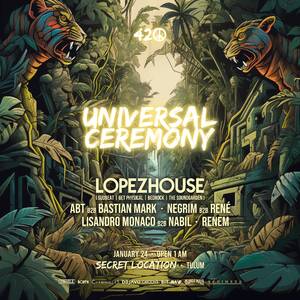
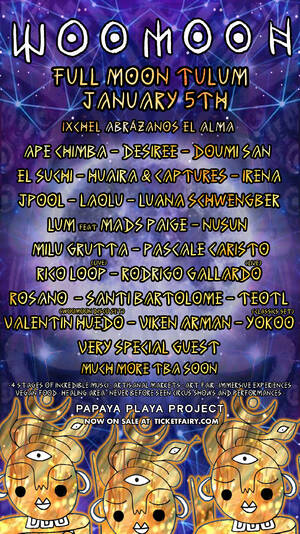
For cultural and entertainment events, Tulum has a month-long festival vibe during peak season. Each month’s Full Moon brings a famous beach party (for example at Papaya Playa Project) with world-class DJs. Every Saturday night several beachfront clubs throw themed parties with live music or electronic beats. There’s also an annual Tulum Food, Spirits & Wine Festival (each spring) featuring international chefs and mixologists (www.tulumfswf.com ). Art and music festivals like Art With Me and tribal gatherings periodically attract travelers. Court any spontaneous Tapas tasting or mezcal tasting in town, and keep an eye on local listings for yoga and wellness workshops – rooftop yoga sessions at sunrise are a local tradition. Unlike large stadium shows, Tulum’s events tend to be intimate: art exhibitions, storytelling evenings or a DJ set in a jungle stage. In short, activities range from historical sightseeing and snorkeling by day to yoga retreats, farm-to-table dinners, and underground music vibrations at night.
Tickets and Reservations
Most of Tulum’s sights and popular experiences require advance planning rather than instant tickets. Tulum Ruins entry is paid at the site. (As of 2025, foreign visitors pay around 100 MXN for the archaeological entrance plus mandatory conservation fees, roughly 515 MXN total (tulumruins.info ).) It’s best to have exact change (pesos) or a credit card on hand. Guided tours typically include these fees, but if you go on your own, buy tickets at the official park entrance. For cenote and Sian Ka’an tours , bookings can be made through local agencies or your hotel; popular tours fill up in advance, so reserving a day or two ahead is wise. Many upscale beach clubs and nightly events (like Full Moon parties or weekend concerts) sell tickets online or via their own reservation lines. While this guide can’t list specific sites, note that most beach clubs have event schedules posted months in advance – plan early for big spring or holiday party weekends. Restaurant reservations are highly recommended for top restaurants like Hartwood or Arca, especially during December–March. In general, book eco-resorts and transportation (shuttles, car rentals) well before peak season (Nov–Apr) to ensure availability. There is no centralized box-office; purchases are made through official tourism websites, park booths, or trusted tour operators. Always confirm pricing ahead, as festivals and new tours sometimes adjust fees.
Getting There and Transportation
Tulum lies about 130 km (80 miles) south of Cancun along Mexico’s Highway 307. The main international gateway is still Cancun International Airport (CUN): travel time by car or shuttle is roughly 90–120 minutes, depending on traffic. ADO public buses run frequently between Cancun (and also Playa del Carmen/Chetumal) and Tulum Pueblo; expect about 1½–2 hours from Cancun. Many travelers pre-book private shuttles or rent a car at the airport for more flexibility. New Tulum International Airport (Aeropuerto Felipe Carrillo Puerto) opened in December 2023 (www.letstraveltomexico.com ), offering low-cost carriers from Mexico City and other destinations; this cuts travel time for southern Riviera Maya visitors. Once in town, there is no Uber or Lyft (rideshares), so use licensed taxis or colectivos (shared minivans) to get to the beach zone or ruins. Colectivos run up and down the highway from dawn to late night (fares about 20–30 MXN). Bicycles are a popular way to move around: many hotels rent them, and there are bike lanes between Tulum town and the hotel zone. As for driving, roads are generally good; parking is free on most downtown streets and in residential Aldea Zama, but limited (and sometimes unmarked) – arrive early for best spots. Car parking: The official lot at the Tulum Ruins (now the Jaguar Park) costs about 415 MXN (≈$20 USD) (yourtulumconcierge.com ). Beach resorts and clubs often have private lots charging 200–300 MXN ($10–15 USD). Plan for the occasional one-way street or roundabout near the ruins entrance. There is no train service yet (the future Tren Maya station is still under construction), so buses, cars, and boats remain the main ways in and out.
Layout and Districts
Tulum is split into a low-lying town (Tulum Pueblo) and a narrow Hotel Zone along the coast. The Pueblo, a few kilometers inland, has all the shops, markets, and casual cafés – it feels like a typical Mexican town with colorful murals and bicycle-taxi pedicabs. The Hotel Zone runs parallel to the beach on Highway 307. It is a string of resorts, beach clubs, and nature-oriented lodges, usually gated or set back from the road. The ruins themselves are accessible from a roundabout at Avenida Coba on Hwy 307: a short walk from the visitor center brings you to the elevated cliffsite overlooking the sea. Each area offers different “seating”: town plazas for people-watching, palapa-covered tables at beach restaurants, and rooftop lounges with jungle or ocean views. For a bird’s-eye view of the ruins and Caribbean, there is a small observation tower on the site next to El Castillo. In general, if you want a relaxed dining or yoga session, downtown and mid-zone are more relaxed; for full-on party vibes, head to the southern beach clubs (Papaya Playa, Gitano, Batey). Note that many establishments encourage barefoot or casual beach attire. If you’re looking for local color, stroll through the Friday night artisan market in the town plaza, or explore the wooden boardwalks weaving between jungle shacks. Each “venue” (ruins, restaurant, hotel) has its own layout: for example, at the beach clubs you’ll often find open-sided palapas and lounge beds on the sand, while in town eateries have shaded patios. Be prepared to walk on uneven paths, especially at the archaeological park (it has wooden ramps and stone steps) and in nature trails. Overall, Tulum’s layout is flat and compact, so even walking 10–15 minutes can take you from jungle to beach or from town center to waterfront.
Accommodation & Nearby Amenities
Tulum offers lodging for every style and budget. In the hotel zone , expect upscale eco-resorts and boutique beach hotels, many built with thatch roofs, natural materials, and solar power. Famous names include Azulik, Habitas and Be Tulum for luxury, or more budget-friendly hostels like Selina or Posada 06 for backpackers. Inland, in the Pueblo, you’ll find smaller inns and rental condos amid local eateries and convenience stores. The new Aldea Zama neighborhood southeast of town has modern condos and a few hotels with amenities like pools and gyms. Regardless of location, most places have beach or jungle vibes rather than city tower blocks.
For food and drink, Tulum is a culinary hotspot. Fine-dining and inventive local cuisine are abundant – think wood-fired grills at Hartwood, jungle-immersed breakfasts at Casa Banana, or fresh ceviche at Cenzontle (locals also seek the “El Camello Jr.” seafood stand for casual eats). Beachside spots like La Buena Vida or La Zebra make dining a seaside event. Bars range from lively mezcalitas and mojitos at Batey (downtown) to elegant cocktail lounges at tribal-chic Carta Bar. The town center has banks, ATMs, pharmacies and grocery stores for supplies; you can even find yoga studios, scuba shops, and artisans selling handwoven hammocks. For last-minute needs there are small Oxxo convenience stores open late. Pre-show dining is popular at many restaurants: plan to arrive 1–2 hours before sunset during high season so you’re not rushing. Late-night, only a handful of taxis cruise town streets, so it’s wise to save the bar’s phone number or walk only short distances after dark. For overnight stays, early booking is advised in season: Tulum fills up weeks in advance from December through Easter.
Dining & Nightlife
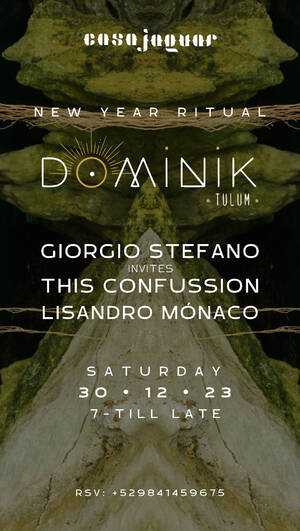
Tulum’s nightlife is are part mythic as its Mayan legacy. As the sun goes down, trendy jungle kitchens serve gourmet tacos and mezcal, and tiny clubs pump everything from reggae to electronic beats. Nightlife here is less neon than Ibiza-style; many bars are open-air jungle lounges. Some favorites: Gitano (jungle lounge under stars), Casa Jaguar (tiki-chic clearing with DJs), Pasito Tun Tun (samba street bar in town), and Disco K (downtown, dance floor). On the more boho side, Holistika organizes full-moon yoga and sound baths just outside of town. Military-style party bus tours exist, but the local crowd prefers hip beach gatherings at venues like Papaya Playa Project (known for its large sand dance floor during Full Moon nights). Typical dress code is “Chic Boho” – linen shirts or sundresses by day, flowing or athleisure wear by night. Note that many upscale clubs enforce a minimum age of 18 (with strict photo ID checks), and entry may be limited for non-guests after midnight. Hospitality in Tulum is very inclusive, though large-scale clubbing is more low-key compared to Cancun. It’s common for artists to pop up at galleries and cafes too (street art is everywhere). In short: the evening vibe shifts from casual sunset cocktails on the beach to world-class DJ sets by midnight, with options for both family-friendly dining and late-night dancing.
What Makes Tulum Special
Tulum’s allure comes from its perfect blend of ancient mystique, natural beauty and laid-back luxury. Architecturally, the cliff-top Castillo is a photographer’s dream – few places let you explore Mayan pyramids and then swim in Caribbean waves minutes later. The town’s cultural significance as a Maya “walled city” is still tangible in local respect for heritage – you’ll see Mayan-inspired artwork, boutique shops selling local handicrafts, and festivals that highlight indigenous music and cuisine. Environmentally, Tulum has pioneered a sustainable tourism ethos: many hotels use solar power and recycled materials, plastic straws are banned, and businesses serve filtered water in yogurt containers rather than disposable bottles. These efforts (and the creation of the large Tulum Jaguar Park conservation area in 2024 (travelmexicosolo.com )) show why this place is engaging eco-conscious travelers.
Legendary moments add to Tulum’s character: for example, reaching the Ruins at sunrise feels ceremonial as the first light hits the Temple of the Wind. Local lore speaks of Tulum as a “gateway to the dawn” (the old name Zamá means “dawn” in Mayan), which resonates with the town’s many spiritual retreats and meditation practitioners. Internationally, it’s become a favorite for celebrities and influencers, lending a touch of glamor (and higher prices) to the scene. Yet it has managed to keep some authenticity: spontaneous drum circles on the beach at sunset and impromptu street music underscoring the town square make visitors feel part of a local community. Both travelers and artists love Tulum for the creativity it inspires – organic restaurant openings, eco-nightclubs, and new art projects seem to pop up every season. In short, Tulum is special because it fulfills two trekker dreams at once: a deep cultural connection to the Maya past, and a sense of escape into wild paradise – all with a community ethos that aims to “leave it better than we found it.”
Visitor Tips and Information
Planning your trip: The high season (dry weather) runs roughly November–April. For fewer crowds and better rates, consider visiting in early December or late spring (when occasional rain and pupu sellers keep things affordable). Do pack plenty of sunscreen (reef-safe formulas if you snorkel) and a hat – the Yucatán sun is intense. A light rain poncho or umbrella for summer storms (May–October) can save a day. Bring comfortable walking shoes or sandals for cobblestones and wooden pathways. Most visitors carry pesos for small purchases; while many businesses accept US dollars or credit cards (expect a 10–15% upcharge or a fixed USD price), it’s cheapest to pay in local currency. Tulum is cosmopolitan, but learning a few Spanish phrases is still handy – locals will appreciate you trying.
On arriving: If traveling by car, note speed limits on Hwy 307 (there are speed cameras and "topes" speed bumps in towns). Have your hotel address or coordinates, as GPS apps work well here. For ruins and cenote visits, wear a swimsuit under clothes if possible; there are sometimes changing areas but not always. At archaeological sites, follow the rules: don’t climb on structures or remove artifacts. No smoking is allowed in staged sacred areas, and flying drones is effectively prohibited (Mexican drone regulations only allow licensed nationals to fly, and INAH forbids drones over monuments (www.droneblog.com ) (www.droneblog.com )). Photography is otherwise fine away from restricted zones, but tripods and professional rigs usually need a special permit (the ruins have many tourists with smartphone cameras and compact cameras).
Attractions & behavior: Tulum’s public beaches up and down the hotel strip are free to enjoy. Some beach clubs will sell day passes (often including the cost of a drink) if you want lounge chairs. Only swim at beaches with lifeguards if you’re not a strong swimmer; the Caribbean current can be strong off the headlands near the ruins. When visiting cenotes, remove sunscreen or bug repellent first to protect the water. It’s common to add small “entrance fees” at remote cenotes (bring small bills). Respect the environment: do not touch coral or coral sand, and use reef-friendly products. Stay hydrated – shops frequently charge for bottled water, so carrying a refill bottle is smart. Toilets may be scarce at remote sites, so plan bathroom stops in town or at popular stops.
Health & safety: Tulum is generally safe for tourists (violent crime is very rare), but petty theft can happen – don’t leave valuables unattended on the beach or in unlocked rental cars. Tap water is not drinkable, so always use bottled or purified water. Insect repellent is advised for jungle and dawn/dusk, as mosquitoes and coatis (small raccoon-like animals) are common in vegetated areas. The nearest major hospital is in Playa del Carmen (45 minutes north); smaller clinics exist in Tulum for basic needs. Pharmacies in town are well stocked. Ensure your travel insurance covers medical evacuation just in case (though most visits are routine).
Accessibility: Tulum’s economy fees and entrances have improved handicapped access (ramps, boardwalks) in recent years, but be prepared for uneven terrain. The ruin site has a wide boardwalk through much of it, though not every temple is wheel-accessible. The beach zone is mostly flat, but parking lots and some restaurants still have sand/gravel which may be bumpy. Many newer hotels and public areas are ADA-friendly (wide paths, handrails), and ramps at the historic site’s visitor center. If mobility is limited, sticking to marked trails in hotels and the main ruin pathway is easiest. Spanish-speaking staff are not guaranteed everywhere (young service workers often speak some English), so have your destination written down in Spanish if traveling by taxi.
Extra tips: Carry cash for park fees and taxis; some inland restaurants have credit card machines, but charging everything to your hotel can incur fees. Tipping is customary in restaurants (around 10–20%). Dress is very casual – flip-flops and sandals are fine for dining, but upscale restaurants may expect guests to avoid beachwear or sweatpants. Swimsuits are okay in beach bars (often you’ll see kids and adults in suits at lunchtime), but shirtless dining or alcohol on the street beyond the sand is frowned upon by some locals. Keep your belongings on you; store valuables at your hotel (many resorts offer safes). If you rent a scooter or ATV, make sure you have a valid driver’s license (Mexican or international) and helmet – local police do enforce this sometimes. Above all, relax and embrace the slow pace. Tulum rewards a leisurely approach: get up with the sun at the ruins, savor meals outdoors, and plan “white space” rather than cramming every moment. By balancing excitement with respect for nature and culture, you’ll get the most out of this enchanting destination.
Visitor FAQs
How do I buy tickets for the Tulum Ruins, and how much do they cost?
No advance purchase is required. You buy tickets at the Tulum Jaguar Park entrance (the new archaeological zone gate). For foreign visitors in 2024–2025 the costs total about 515 MXN (under $30 USD) – this combines a 100 MXN national park fee, a 120 MXN conservation fee, and a 295 MXN Jaguar Park fee (tulumruins.info ). Locals and Mexican residents pay much lower prices. Bring pesos (exact change recommended) or use a credit card at the booths.
What is the address of Tulum Ruins and how do I get there?
The Tulum Ruins (Parque Jaguar) are located on the coastal highway, just off Highway 307. The archaeological zone’s entrance is at the roundabout on Avenida Coba (often labeled “Ruinas Tulum/Jaguar Park”). From downtown Tulum it’s about a 15-minute drive (or bike ride). Many visitors walk it or bike (taxis and colectivos run frequently). Look for signs for “Zona Arqueológica Tulum”. There is parking at the site (around 415 MXN (yourtulumconcierge.com )). The official GPS coordinates are roughly 20.2170° N, 87.4301° W.
Is Uber or other rideshare available in Tulum?
No. As of 2025, rideshare apps like Uber and Lyft do not operate in Tulum (www.uber.com ). To get around, use licensed taxis (look for green license plates) or shared vans called “colectivos” which run fixed routes along the highway. Car rentals and bicycle rentals are also common for visitors. When taking a taxi, agree on the fare before you go (no meters are used). Colectivos are very cheap (about 25 MXN per trip) and run roughly every 15–30 minutes between the town center and beach zone.
How do I reach Tulum from the Cancun airport?
The quickest way is by private shuttle or rental car (about 1.5–2 hours driving via Highway 307 south). You can also take an ADO coach bus – these depart hourly from Cancun bus terminal and stop at Tulum (downtown) for around 350 MXN. Alternatively, since December 2023 you can fly into the new Tulum Airport (MUY) from Mexico City or other destinations; it is just 15 km south of town (www.letstraveltomexico.com ). Whichever way, it’s a straight coastal route: follow the signs for Tulum or the Centro/Town exit.
Can I pay for things in US dollars or credit cards in Tulum?
Pesos are the standard currency in Tulum. Most businesses prefer Mexican pesos, and you'll get a better exchange rate by using pesos. Some upscale restaurants or tour operators may accept US dollars (often at a marked-up rate), and credit cards are widely accepted in hotels and larger restaurants. However, smaller shops, markets and taxis often require cash. At a minimum, carry enough pesos for park fees, local buses, and smaller meals. ATMs (usually in town or near big hotels) dispense pesos. Tips and small purchases are easier with local currency.
What are the top beaches in Tulum, and can anyone visit them?
Most of Tulum’s beaches are public and free to access. The best-known stretch is Playa Paraíso , right below the ruins – its powdery white sand and turquoise water are open to all (there is a small parking fee). South along the Hotel Zone you’ll find Playa Pescadores and Playa Akumal , which are shared by resorts and local fishermen. If you don’t book a hotel, you can still walk in at public access points. Some resorts and beach clubs along these shores charge a day-use fee (often around 200–300 MXN, redeemable on food/drink) for non-guests to use their facilities (palapas, restrooms). To ensure entry for popular spots like the beachfront clubs, ask in advance. Remember that Tulum’s beaches are ecological areas (some are turtle nesting sites in summer), so respect any roped-off zones and avoid disturbing wildlife.
Are there age restrictions or dress codes in Tulum?
Tulum accepts all ages. Children and families frequently swim at the beaches and visit the ruins (admission for kids under 13 is free). For nightlife, note that many trendy bars and clubs enforce an 18+ age limit and ask for valid ID, since Mexico’s drinking age is 18. Dress is extremely casual overall: beachwear is fine for daytime (even at cafes on the sand) but walking barefoot in town is unusual. Avoid wearing swimsuits, waders or going shirtless on the town’s streets out of respect, but expect bikini tops at beach bars and full swimsuits in pools. Otherwise, comfortable resort-casual is standard – sundresses, shorts and light shirts. There is no formal dress code for restaurants, but upscale venues may require guests to avoid flip-flops or tank tops at night.
How safe is Tulum for tourists and what health precautions should I take?
Tulum is generally considered safe for travelers (en.wikipedia.org ). Violent crime against tourists is rare; petty theft (like pickpocketing in crowds) is the main concern. Keep passports and cash secure, and be cautious in parking lots. Health-wise, avoid tap water – drink bottled or purified water only. Use insect repellent, especially at dusk, to guard against mosquitoes. Pack sunscreen and after-sun lotion (reef-safe formulas are encouraged by law on the beaches and cenotes). The rainy season is June–October; check hurricane forecasts in late summer. The medical facilities in Tulum are basic for minor issues; major hospitals are in Playa del Carmen or Cancún. Carry any prescription medications with you, and consider travel insurance that covers medical care.
Are the Tulum ruins and other attractions wheelchair accessible?
Access is improving but still limited. The Tulum Visitor Center and entrance have paved paths, and much of the main ruin site has wooden ramps or wide boardwalks that can accommodate wheelchairs or strollers. However, parts of the ruins (like climbing the pyramid steps or narrow trails) are not accessible. The beach at the ruins requires a short walk over sand, which is difficult for wheels. In town, the streets can be uneven (brick or dirt surface). Many newer hotels and restaurants are built with ramps and accessible restrooms. If you need full accessibility, call ahead to your hotel or attractions to confirm their facilities, and expect some things (deep cenote access, jungle spas) will not be fully wheelchair-friendly.
When is the best time of year to visit Tulum?
The peak season is December to April, when the weather is driest and temperatures are comfortably warm (daytime highs ~28°C). This period sees high hotel rates and crowds on beaches. May to early July is still warm (often above 30°C) but with occasional short rains. September–October is hottest and wettest, with potential hurricanes – avoid if possible. Late October–November (shoulder season) can be a great time: prices drop, nature is lush from summer rains, and crowds are thinner. Always walk or drive carefully if traveling during the rainy season, as heavy downpours occasionally flood low roads.
Can I use a drone or take professional photos in Tulum?
Flying drones in Tulum (and Mexico) is effectively not allowed for tourists. Mexican law requires a special pilot license only given to citizens (www.droneblog.com ), so foreign visitors cannot legally operate drones. In practice, drones are prohibited over the Tulum Ruins and many hotels will ask you to leave them behind. For photography, standard cameras and smartphones are fine in most areas. There is no extra fee for day photography (non-commercial) at the ruins, but tripods and professional equipment may need a permit. Always respect “No Drone” and “No Photos” signs, especially near wildlife and sacred areas. Aerial photography with drones is illegal and could result in confiscation and fines.
What are Tulum’s venue policies on bags and cameras?
Security is generally low-key. Most restaurants and clubs allow small bags and cameras; however, expect bag checks at the larger beach clubs and the archaeological site. At the Tulum Ruins, all bags are screened for food, alcohol, or prohibited items (like cigarettes or dronetography gear). Tripods may be asked to leave outside. There is no coat check, so carry small essentials on you. For concerts or beach parties (e.g. Full Moon events), policies vary: some may ban glass bottles or outside food. To stay safe, avoid bringing valuables like jewelry or large electronics to night venues, or use your hotel safe. Overall, respect on-site rules and you’ll have a smooth experience.
Is Wi-Fi and cell service available throughout Tulum?
Yes, most hotels, restaurants and cafes offer free Wi-Fi to guests (though speeds can vary). Cell phone service (4G LTE) covers the downtown and much of the hotel zone for major Mexican carriers (Telcel, AT&T, Movistar). Reception at the ruins is usually good at the visitor center but may drop under dense foliage. If you rely on data for navigation, consider getting a local SIM card at the airport or town (many kiosks sell tourist SIMs). There are free Wi-Fi spots in Tulum Pueblo, but in remote areas (deep jungle or some cenotes) you may be out of coverage. Plan any essential internet usage when you are back near town or your hotel.
What are good restaurants and bars near Tulum?
Tulum’s dining scene is famous. For farm-to-table meals in a jungle setting, try Hartwood or Arca (book well ahead). For beachside Mexican, the beloved Posada Margherita serves pizza and pasta by day, and Taqueria La Eufemia on Playa Paraiso does simple fish tacos (cash only). Town favorites include Burrito Amor (healthy burrito bowls) and Burrito Amor (coffee shop). Nightlife spots: Batey Mojito Bar in town for cocktails and live music; Gitano or Casa Jaguar for nightlife on the south beach. Don’t miss an afternoon mojito at El Gran Cenote’s café. As a local tip, head to the Friday beach drum circle (acoustic jam nightly by the beach) for a free show. Remember, most places accept reservations for dinner, so plan your meal times especially during holidays.
Where can I park when visiting downtown Tulum and the beaches?
Parking rules vary by area. In the town center (Pueblo) parking on the side streets is generally free and attended lots are rare (yourtulumconcierge.com ). In Aldea Zama and La Veleta (residential districts), you’ll find free street parking too. At the beaches , private lots charge a fee (about $10–$15 USD or 200–300 MXN) for hotel traffic. The Tulum Ruins/Jaguar Park has an official lot at about 415 MXN (~$20) (yourtulumconcierge.com ); this fee covers entry. Some beach clubs provide parking to patrons (especially if you pay for a day pass). Expect cash-only payment at most parking lots – bring pesos.