

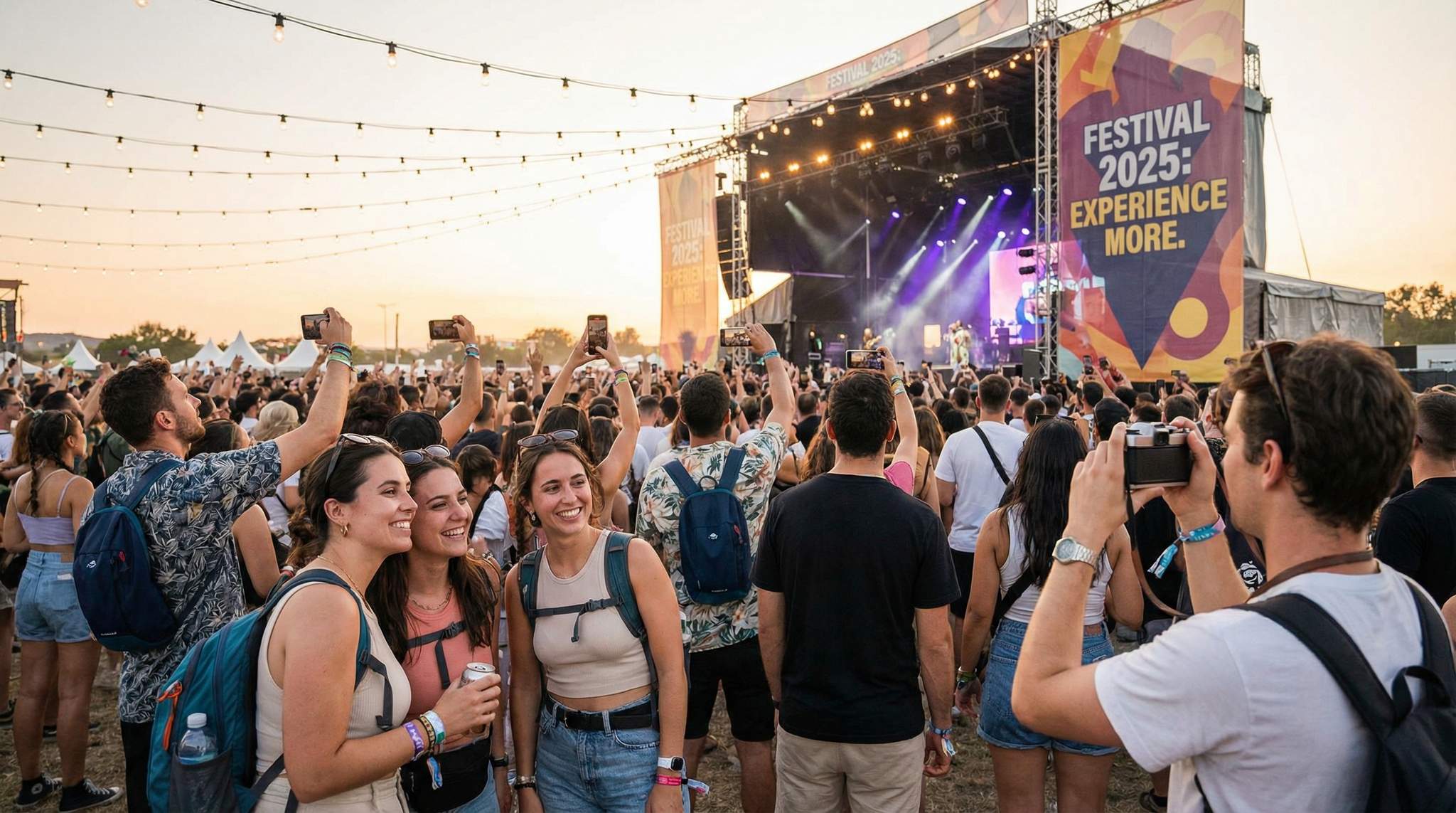
Music events and festivals are created for the people. As an event promoter, you always have to think about your audience. Every step in your event planning – from booking talent to crafting marketing campaigns – should be targeted toward your audience. Ultimately, those audience members are your prospective ticket buyers and future loyal attendees. But in a crowded events landscape it’s getting harder to capture fans’ interest. The live music industry saw record touring revenues in 2024, meaning more shows than ever are vying for attention. If every weekend offers another mega-event, how can your festival or concert stay fresh, exciting, and indispensable to its community? You must look beyond festival fatigue to stand out in an oversaturated season. The key is to use smart strategies that make your event matter to your target audience.
Ultimately, the most important question to ask is: Why will your event matter to your target audience? When you approach your planning from this angle, you can better position your event in your ideal attendee’s path. By aligning your event with audience interests and values, your concert or festival becomes the obvious choice – the spark that excites them enough to buy a ticket. As of 2025, fan expectations are higher than ever. Recent data shows that 81% of consumers feel a live event must create lasting memories to be “worth it” according to social media trends changing live events, and nearly 80% say it should be a once-in-a-lifetime experience. In other words, people are seeking meaningful value before they commit time and money to attend.
For context, here are a few 2025 audience insights that every promoter should note:
| 2025 Audience Stat | Takeaway for Promoters |
|---|---|
| 72% of festival attendees discover events through social media ads, highlighting festival planning and marketing statistics. | Social platforms remain the primary channel for event discovery – invest in targeted social ads to reach new fans. |
| 78% of festival-goers are more likely to attend events offering unique experiences or exclusive artist collaborations, a key factor in mastering festival talent booking. | Create special on-site moments (exclusive sets, meet-and-greets, unique stages) that fans can’t get elsewhere to boost excitement. |
| 69% of event attendees favor festivals with eco-friendly, nature-connected practices, reflecting current trends in music festival attendance. | Highlight sustainability initiatives to align with audience values and improve your event’s appeal. |
These trends underline a core principle: keep the audience at the center of your strategy. Now, let’s dive into five proven strategies to attract a bigger audience to attend your next music event or music festival – and turn their interest into ticket purchases.
1. Build a Solid Lineup
A compelling lineup is arguably the number-one driver of audience interest for concerts and festivals. Fans need a reason to show up, and the artists or speakers you book are a huge part of that reason. It’s essential to put together a lineup that truly reflects the theme or identity of your event and resonates with your target demographic. That could mean a cohesive genre focus or a diverse mix that brings in multiple fan communities. Genre diversity can broaden your appeal, but consistency helps define your brand – so strike a balance. According to industry surveys, 78% of festival-goers say they are more likely to attend if the event offers unique experiences or special artist collaborations they can’t get elsewhere, which is crucial when you curate lineups that wow fans. This is why we see festivals promoting exclusive one-off sets, surprise guest appearances, or back-to-back performances that fans can only experience at that event.
Ready to Sell Tickets?
Create professional event pages with built-in payment processing, marketing tools, and real-time analytics.
Securing crowd-pulling headliners and rising stars is an art and a science. Top promoters now use data (streaming stats, social media buzz, past ticket sales) to gauge which artists will excite their audience most. In fact, festival veteran Allen Scott noted that 2024 was “one of the more difficult years in terms of booking headliners” amid a volatile festival market due to intense competition – underscoring how critical a smart booking strategy has become. If you have one or two big-name artists in mind but aren’t sure how they’ll draw, consider asking fans to pre-register interest. For example, you could reveal a few key acts and invite fans to pre-register for tickets (or join a waitlist) if they’re interested. This approach not only builds early hype, it gives you a concrete gauge of demand. If thousands sign up for a pre-sale after you tease one headliner, that’s a strong signal you’ve hit the mark. Pre-registration also helps collect valuable data on your potential attendees – their emails, locations, and genre preferences – which you can use in marketing. (Pre-registration is available if you register your event with Ticket Fairy and have a quick chat with the support team about enabling that feature.)
Pro Tip: Before finalizing your lineup, poll your audience. Consider running a simple survey on social media or via email asking which artists or genres they’d love to see. Many festivals do this – and often get thousands of responses. While you shouldn’t base your entire booking on a popularity contest, fan polls can reveal surprising favorites or niche genres with passionate followings. If you notice a significant number of requests for a particular artist (or for more hip-hop, more indie-rock, etc.), that’s valuable insight you can act on.
Beyond headliners, think about lineup cohesion. Does the roster of artists or performers tell a story that fits your event’s identity? For instance, if you’re organizing an indie folk festival, a solid lineup might focus on emerging singer-songwriters alongside a couple of nostalgic veteran acts – a mix that appeals to both younger fans and older folk-rock aficionados. On the other hand, a multi-genre festival might curate each stage by genre to ensure fans of each style feel catered to. Many successful events diversify their lineup by showcasing rising local talent alongside big names to create a roster that reflects eclectic tastes and offers experiences that can only be experienced at your festival. This gives attendees a chance to discover new favorites, which enhances their overall experience. It also shows you’re supporting the scene, not just buying big names.
If you’re working with a tight talent budget, creativity is key. Can you create a unique collaboration or special performance that will get buzz without a high price tag? For example, pairing two artists for a one-time-only duet or set can generate excitement at a lower cost than booking an additional headliner. And if your dream headliner isn’t available (or affordable) this year, consider booking an up-and-coming act right before they break big. Often festivals tout that they had Artist X “just before they went platinum.” Using data-driven talent discovery can help you identify those future stars in advance by learning to aggregate data for booking decisions and properly consider feasibility and cost.
Finally, know your audience’s age and tastes. Are you catering to a teen/college crowd, young professionals, or perhaps an older, mature audience? The lineup should reflect what that audience loves. An event geared toward Gen Z might lean heavily on trending pop, EDM, or hip-hop artists (and maybe a popular YouTuber or TikTok musician for good measure), whereas a 30-something audience might be more drawn to early-2000s bands making a comeback or sophisticated electronic/indie artists. If you’re targeting a broad all-ages crowd, consider a thoughtful mix (for example, a classic legacy act for older fans and trending chart-toppers for younger attendees). Diverse lineups can attract a wider range of fans – just ensure each act still aligns with your event’s vibe so it doesn’t feel like a random assortment. Understanding the musical preferences of festival attendees is vital when booking headliners and curating unique lineups. Every artist you book should make sense to your audience.
Grow Your Events
Leverage referral marketing, social sharing incentives, and audience insights to sell more tickets.
(For a deep dive into talent curation, check out Ticket Fairy’s guide on booking artists and curating lineups. It’s packed with tips on negotiating fees and balancing star power with budget constraints – essentially how to master festival talent booking to drive ticket sales.)
2. Have a Robust Marketing Plan Ready
Even the best lineup in the world won’t matter if people don’t hear about your event. That’s where a comprehensive marketing plan comes in. We’ve mentioned before that how a good marketing plan increases revenue will not only keep you organized, it will also clearly outline the steps you and your team will take to promote the event. A marketing plan is your roadmap for everything that needs to happen before, during, and after the show. This includes defining your target audience segments, setting your messaging, choosing your promotion channels, and scheduling out all your marketing activities. By writing down every idea and tactic and then organizing them into a timeline, you create a clear blueprint that everyone on the team can follow.
Start with defining your audience and goals. Who are you trying to reach (and how many tickets do you aim to sell)? Your marketing strategy for a 500-person local gig will look very different from a 50,000-person festival. Once you know who you’re targeting (e.g. “fans of heavy metal in the Los Angeles area, ages 18-40”), you can tailor your messaging and channel selection to them. Outline the core message or story of your event: what’s the hook that will get people excited? Maybe it’s the reunion of a beloved band, a unique festival theme, or a charitable cause attached to the event. Make sure all your marketing communications highlight this hook in some way.
Next, map out your promotion tactics and channels. Some of the best ways to promote an event include:
– Artist-driven content: Get interactive video messages or shout-outs from the artists in your lineup. When performers promote the event to their fans (“See you there!”), it adds credibility and extends your reach to their follower base.
– Social media campaigns: (We’ll dive more into social media in the next section, but suffice to say it’s crucial.) Plan a mix of content – teaser trailers, behind-the-scenes glimpses, countdown posts, contests, and more.
– Email marketing: Don’t underestimate email – it consistently drives ticket sales. In fact, email campaigns still account for about 33% of festival pre-sales according to festival planning and marketing statistics. Send out announcements to your mailing list (early lineup news, ticket on-sale alerts, etc.), and consider segmenting emails to personalize the message (for example, a special offer to past attendees vs. a “first-timer’s guide” for new prospects).
– Paid advertising: Allocate budget for online ads targeting your audience. This might include Facebook/Instagram ads, Google search ads for people searching relevant keywords, YouTube video ads, and even TikTok promotions. Given that around 72% of festival attendees discover events via social media ads, making paid social highly effective for early engagement, spending on targeted social ads can be extremely effective.
– Press and local media: Reach out to relevant blogs, radio stations, local event listing sites, and newspapers. A press release or a feature story can capture folks who might not see your social posts.
– On-site promotional events: If you have time, host a small preview party, a pop-up, or sponsor a stage at a related event to plug your festival. Grassroots tactics like street teams putting up posters or handing out flyers at similar concerts can still work, especially for local audiences.
Crucially, assign dates and owners for each action in your plan. When will you drop the lineup announcement? When does each wave of ads start? Plot these milestones on a calendar. A well-structured timeline ensures you’re steadily building momentum and avoids last-minute panics. Also plan out how you’ll keep promoting during the event (e.g. live tweets, Instagram Stories, or even live-streams to encourage FOMO and late ticket purchases if applicable) and after the event (thanking attendees, collecting feedback, and promoting after-movies or photo galleries to keep the buzz going).
Another factor to consider in 2025 is the timing of ticket sales. We’re seeing a shift toward last-minute ticket buying, where fans often choose events over larger commercial festivals. Many fans now wait until the final weeks or even days to commit to an event, due to busy schedules or hoping for discounts. This can be nerve-wracking for promoters, but it’s become the reality. Plan your marketing in phases to target early birds, mid-sale pushes, and last-minute buyers. For example, offer early-bird pricing or extras (like a merch discount) to incentivize early purchases, then ramp up a second wave of promo about a month out, and a final blitz in the last week with urgency messaging (“Only 100 tickets left!” or “Prices go up tomorrow!”). Don’t assume that everyone will buy early; instead, be ready to capture those late deciders with timely ads and reminders. (The phenomenon of late ticket-buying is explored further in our guide on managing last-minute festival ticket buyers – a worthwhile read for any promoter facing slower early sales.)
Finally, make sure your marketing plan is a living document. Analyze what tactics are driving results (ticket clicks or conversions) and be ready to tweak the plan. Maybe you notice your TikTok videos are exploding in views – you might double down there. Or perhaps email open rates are low – it might be time to adjust your subject lines or send times. The best marketers iterate and optimize as they go, rather than rigidly sticking to a plan that isn’t connecting. With a solid plan in hand, you’ll cover all your bases and give your event the best chance to shine in front of the right audience.
3. Use Social Media to Reach and Engage Your Target Audience
In today’s world, social media is the surest way to spark your audience’s interest. It’s often the first touchpoint between an event and potential attendees. Platforms like Instagram, Facebook, TikTok, Snapchat, and even newer contenders (did someone say Threads?) are where your audience spends a huge chunk of their time. As a promoter, you need to meet them where they are with content that grabs attention. Nearly three-quarters of young event-goers learn about shows through social feeds or ads, proving that social media marketing is highly effective, so a strong social presence isn’t optional – it’s essential.
Start by identifying which platforms your target audience frequents most. Is your crowd very visual and under 30? Instagram, TikTok, and YouTube might be key. Targeting professionals in their 30s and 40s? Facebook and LinkedIn groups (for industry events) could be more relevant. Once you know the platforms, craft a strategy for each. It’s good to have a mix of content across all channels, but also tailor content to play to each platform’s strengths and trends. For example:
– On Instagram, leverage Reels and Stories for behind-the-scenes peeks – maybe short clips of the festival site build, artist soundchecks, or a quick Q&A with a performer. Use compelling captions and hashtags (and don’t forget to tag artists and partners). Instagram is great for visual hype-building; aesthetic photos of past events, lineup announcement graphics, and countdown stories can all drum up excitement.
– On TikTok, focus on trending sounds and authentic, fun content. TikTok is where you can let your creativity run wild. Consider challenges or contests (e.g. a dance challenge to a headliner’s song, with free tickets as a prize). Short, engaging videos – like a montage of what attendees will experience, or an influencer taking over your account to tour the festival site – can go viral if they resonate. The first 5 seconds of every TikTok or Reel are critical to stop the scroll, so make them count with eye-catching footage or text hooks.
– On Facebook, create an event page and use it to post updates and engage the community. Facebook is also useful for targeted event ads (by location, interests, age, etc.) and for creating lookalike audiences of your past ticket buyers. If you have the budget, boosting key posts or running a full ad campaign on Facebook/Instagram can massively extend your reach beyond your followers.
– Don’t forget email and SMS as parallel social strategies. While not “social media” in the strict sense, direct channels like Email newsletters or text updates often work in tandem with social campaigns (for example, teasing a lineup on socials and then emailing the full details to your list). They provide another touchpoint to reinforce the message.
The content itself should be engaging and interactive. Static posters about the event are fine occasionally, but social algorithms favor content that people interact with (like, share, comment). Encourage engagement: ask questions (“Which artist are you most excited for?”), run polls, host ticket giveaways that require tagging a friend, etc. User-generated content is gold – for instance, ask followers to share their favorite memory from your last event or what outfit they plan to wear, etc., and repost some of their answers (with permission). This not only creates buzz, it makes your followers feel like part of the event’s community.
Another tip: use each platform’s native features and new tools, because the algorithms often give extra reach to new or popular features. If Instagram is pushing Reels heavily (they have been for a while now), then put effort into Reels. If TikTok introduces a new effect or duet feature, experiment with it in a way that fits your event. Staying nimble with platform trends can give your content a boost. In 2024 we saw, for example, a spike in festival promo content using TikTok’s behind-the-scenes trend (with fast montages and voiceovers) which helped some events reach hundreds of thousands of views organically.
Consistency is key, too. Create a content calendar so you’re posting regularly leading up to the event. It could be as granular as: Monday – artist spotlight post; Tuesday – share a playlist; Wednesday – venue/experience highlight; Thursday – throwback to last year; Friday – merch preview, etc. Regular posting keeps the algorithm happy and keeps your audience reminded. However, don’t overload to the point of spamming – quality and authenticity matter more than quantity. One thoughtful post that sparks conversation or excitement is better than five generic posts no one reads.
Finally, plan to interact with your audience on these platforms. Promptly respond to DMs and comments – even the negative ones. If someone asks, “Is there camping available?” or “What time do doors open?” in a comment, answer them (many others likely have the same question). And if there’s criticism or concerns (e.g. complaints about last year’s lines), address them transparently. This shows that you’re listening and builds trust. Social media isn’t just a broadcast channel; it’s a two-way street where you can build real relationships with your fanbase. Promoters with an active, responsive social media presence signal that their event cares about attendees, which in turn bolsters audience interest and confidence in the event’s quality.
(For more detailed tactics on social campaigns, see our dedicated guide on promoting your event on social media. It offers step-by-step advice to build a strong online campaign, from content ideas to analytics.)
4. Think About Collaborations That Matter to Your Audience
Beyond your own channels, collaborations are a powerful way to expand your reach and build hype. In 2025, most successful events aren’t promoting alone – they’re partnering with influencers, content creators, other brands, even other events to tap into new communities. Think about it this way: your potential attendees trust recommendations from people and brands they already follow or admire. By collaborating with those tastemakers, you piggyback on that trust and interest.
One effective approach is working with social media influencers who align with your target demographic. This could mean a popular Instagrammer or TikTok creator who loves the music genre your event features. For example, if you’re promoting an EDM festival, partnering with a YouTube creator who vlogs their festival experiences or a TikTok dancer who’s gone viral with songs from your headliners can be a natural fit. These influencers can create content leading up to the event – like unboxing their festival gear, talking about the lineup, or doing a giveaway of tickets. Audiences are often curious what their favorite influencers are attending; if an influencer is hyping up your festival, their followers are more likely to check it out. In fact, about 87% of festivals in recent years leverage influencer partnerships to boost visibility, as influencer marketing is receiving greater focus, because it works. A single well-placed TikTok or Instagram Story from an influencer can reach tens or hundreds of thousands of potential attendees. In the music festival space, we’ve seen events like Coachella become almost as much an “influencer playground” as a music festival – with YouTube and Instagram personalities posting every moment. The net result? Their followers get serious FOMO and want to join in the experience.
Warning: Choose collaborators carefully. A partnership with the wrong influencer or brand – one that doesn’t match your audience’s values or your event’s image – can backfire. Always vet potential collaborators. If your festival’s audience is all about underground authenticity, a tie-in with a hyper-commercial influencer might ring false. And if an influencer has a history of controversial behavior or promotes values that clash with your event’s (for example, you’re a family-friendly event and the influencer posts edgy or NSFW content), think twice. The goal is to entice more of your target fans, not alienate them.
Collaborations aren’t limited to individual influencers. Consider partnering with brands that appeal to your audience. This can take many forms:
– Sponsorship activations: A brand that aligns with your event can create an on-site activation or experience that adds value for attendees. For instance, a popular beverage or snack brand setting up a free tasting lounge, or an outdoor equipment brand hosting a chill-out zone at a camping festival. These extras make the event more memorable for fans. Just ensure any brand activation feels like a good fit – attendees will appreciate, say, a free cold brew coffee station at a morning music festival, but they’ll roll their eyes at something that feels too salesy or unrelated.
– Co-branded content: Work with media outlets or lifestyle brands on content that promotes your event. Maybe a local music blog does an interview with one of your headliners and plugs the event, or a fashion brand does a “Festival lookbook” featuring your festival’s name. Both sides benefit: you get exposure, they get content/views.
– Community collaborations: Depending on your audience, collaborating with local community groups or non-profits can also boost interest. For example, if you know a big chunk of your audience cares about social causes, partner with a relevant charity and advertise that a portion of ticket sales support that cause. Many fans appreciate events that give back, and it can tip their decision to attend knowing their money will do some good. Just ensure to follow through on any promises here.
The main idea is to expand your network. Your own marketing will reach people who already follow you; collaborations help you reach new people who might not have heard of your event otherwise. When brainstorming collaborations, always circle back to: Does this person/brand reach the kind of people who would love my event? And, Will this collaboration make those people even more interested or confident in attending? If yes, it’s worth pursuing.
Keep in mind, effective collaborations are mutually beneficial. Influencers and brands will be more excited to work with you if there’s something in it for them. That could be monetary (paying an influencer or sharing revenue with a partner), or it could be experiential (free VIP passes, exclusive content, or simply the cool factor of being associated with your festival). Craft partnership deals where both parties win. When done right, a collab can create a halo effect around your event and dramatically widen your promotional reach in an authentic way.
5. Appeal to Your Audience’s Values and Interests
The previous points all feed into this overarching strategy: make your event personally meaningful to your target audience. Today’s fans often choose events not just for the music, but for what the event stands for or how it aligns with their identity. By understanding and appealing to your audience’s values, you elevate your event from just another concert to a must-attend experience that resonates on a deeper level.
Start by researching what matters to your core audience beyond music. Is it sustainability and eco-friendliness? A sense of community and belonging? Cutting-edge technology? Maybe they value diversity and inclusion, or perhaps it’s about affordability and accessibility. Millennials and Gen Z festival-goers in particular are known to expect events to be socially and environmentally responsible, as younger generations drive demand for sustainability. If your attendees are largely younger, things like a strong environmental stance, charity partnerships, or visible efforts for diversity can significantly influence their decision to support your event. (Remember that stat above: 69% of attendees prefer eco-conscious events that prioritize improving operations and the festival experience – that’s a majority!). On the other hand, if your crowd is largely older or families, their values might include comfort, safety, and family-friendly programming. Align your event elements accordingly.
One way to put this into practice is through your event programming and amenities. For example, let’s say your research shows your audience cares about sustainability. You can appeal to that by making your event greener: implement a recycling and compost program on-site, use digital tickets to save paper, maybe even offer incentives like a discount on next year’s ticket if they bring back their reusable cup. Then communicate these efforts in your marketing (“This will be a zero-plastic festival” or “$1 from each ticket goes to ocean cleanup”). Attendees who share those values will take notice. Another example: suppose your target audience highly values exclusivity and VIP experiences – you might introduce VIP upgrades, special lounges, or unique perks to cater to that. Or if they value community, you could create interactive elements like group art projects, workshops, or a festival app that helps attendees connect with each other.
Appealing to values also ties into brand identity. Every event has a brand (even if it’s just the vibe people associate with it). Are you the edgy, alternative festival? The luxurious high-end festival? The inclusive, everyone’s-welcome festival? Lean into that identity and make sure it shines through in everything: your lineup, your messaging, your on-site decor, even the food vendors and sponsors you choose. Consistency builds trust. If people know your festival as, say, “the one that’s all about local culture and authenticity,” and you uphold that with authentic local collaborations and no cheesy corporate gimmicks, your core fans will reward you with loyalty and word-of-mouth recommendations.
Understanding your audience’s practical preferences is important, too. Put yourself in their shoes and ask questions like: What ticket price would they consider fair? Would they prefer single-day passes because they work on Fridays, or are they the type to camp all weekend? Do they value a chill, relaxed schedule or a jam-packed lineup? These details matter. For instance, families and older attendees might love that your music festival offers a comfortable Sunday afternoon program (perhaps acoustic sets or activities suitable for kids) because they aren’t going to rage at a midnight DJ set. College students, meanwhile, might value affordable tickets or installment payment plans, since budget is a concern – if you can align with that by offering an early-bird student discount, you’re appealing directly to what they value (saving money and having a good time with friends). It’s about meeting your audience where they are in terms of interests, values, and even limitations.
A great case study in appealing to audience values is how many festivals have adopted social causes. For example, a festival might champion gender equality by ensuring a 50/50 lineup gender balance and publicizing that fact – showing fans that diversity isn’t just talked about, it’s acted on. (Primavera Sound in Spain famously did this and earned enormous respect from attendees and press.) Other events highlight community impact, like working with local artists for stage art or donating to a neighborhood project, which attracts attendees who value supporting local communities. Transparency and authenticity are key here. If you claim to value something, follow through. Nothing turns audiences off faster than “value-washing” – e.g. claiming to be green but then using all plastic and leaving trash everywhere. Get your team on board and make those values part of your event’s DNA.
In the end, appealing to your audience’s values builds a strong emotional connection between the attendee and your event brand. You’re no longer just selling a fun time, you’re offering something that aligns with who they are or aspire to be. That creates loyalty. People are far more likely to attend (and keep attending) an event that feels “made for them.” And they’ll bring friends along because it’s not just a show, it’s a statement or an experience they believe in. In an era where fans have countless options on how to spend their weekend (and their money), values can be the tiebreaker. Give them a compelling reason beyond the music – a sense of purpose, belonging, or identity – and you’ll bolster their interest not just for one event, but for the long term.
In summary, attracting your target audience’s attention today takes genuine strategy and thought. You have to keep in mind – throughout every step of planning and promotion – your audience’s demographics, interests, and values. Build a lineup they crave, market to them through the channels they use, engage them with the content and influencers they already love, and align your event with the things they care about most. This holistic approach is how you create a concert or festival experience that not only grabs attention, but also earns trust and enthusiasm. Each of the strategies above feeds into constructing an event brand that is authentic and exciting to your prospective attendees. If you execute these well, you’ll not only bolster audience interest – you’ll convert that interest into sold-out shows and lifelong fans.
Follow these tips and you’ll be on your way to drawing bigger crowds at your next music event or festival. For even more tips on how to sell out your show, download our free cheat sheet, “5 Secrets of Successful Organizers Who Sell Out Events.” Good luck, and happy promoting!
